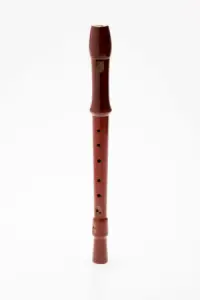
Finding the best wooden recorder can take an incredible amount of time and effort. Looking through all the different features of each and trying to read all the reviews can be a beating.
That’s why we have done all the work for you and created this article, so you can save your precious time.
Below are some of the best on the market today, so you can pick the one that makes the most sense for you.
Table of Contents
Top 6 Wooden Recorders
#1 Yamaha YRA-312B Recorder


The Yamaha YRA-312B Alto Recorder is a wonderful recorder that is suitable not only for beginners, but also for those who have more advanced recorder playing skills.
You’ll love the gorgeous sound that this highly refined wooden recorder produces every time you use it. The wood really is of excellent quality. This delightful alto recorder has been constructed with the ability to produce vibrations of a high frequency, with the true Yamaha standard of excellence for the best recorder playing experience.
You’ll also definitely appreciate the fact that this recorder is constructed to be lightweight, for extra comfort while playing.
#2 Honher 9950 Pearwood Recorder


When you’re looking for a great, high-performing recorder that works well for new recorder players all the way up to those playing at a professional level in front of public audiences, the Hohner 9960 Pearwood Soprano Recorder is an option you should be considering.
The sound that this instrument produces is sweet and clear, just the way that you want it to be. You’ll appreciate the fact that this high quality recorder is designed conveniently, with the 3-piece construction style that is popular among recorder players.
This helps make the instrument easy to adjust with regard to the positioning of the hole for the C note, based on the hand size of the player.
The mouthpiece is beautifully hand polished, and fits all mouth shapes rather well. This makes for a comfortable playing experience each time you use this refined recorder.
[PRO TIP: Speed up your learning process with this recorder method book from one of the most trusted educational brands out there.]
#3 Eastar ERS-31BM Recorder


If you’ve been disappointed by the sound quality of other recorders, the Eastar ERS-31BM Recorder is the right choice to get back on track with excellence in terms of sound quality.
The intonation is exactly as it should be, without any note being too high-pitched. You will certainly like the fact that this instrument does not easily “screech,” as some other poorer quality recorders tend to do.
This recorder is a good bet if you’ve been disappointed by others that didn’t resonate all that well, and that didn’t seem “stable” while playing different sequences of notes.
Whether you play alone or in a group, you’ll be pleased to have have high-class resonation and superior stability every time you use this recorder. This Eastar recorder truly demonstrates excellence in every aspect of its craftsmanship.
#4 Yamaha YRT-304B Recorder


When you open the package of your Yamaha YRT-304B Tenor Recorder, you’re probably going to be wowed by the beautiful appearance of this recorder. It’s crafted with a standard of meticulous care which shines through across the board when it comes to this instrument.
The essence of the wood is highly refined, which adds to the gorgeous appeal of this pleasant musical instrument.
You’ll be satisfied with how the sound of this tenor recorder tends to penetrate the atmosphere wherever you’re playing. The sound is delightfully bright, and helps make all your recorder music as enchanting as possible.
When you need a recorder to make your musical prowess shine during a solo performance or during a studio recording, this is a recorder that you should consider getting, thanks to its astounding ease of control and beautiful intonation that brings all your music to the highest level.
[PRO TIP: When you’re looking for a case or gig bag for your recorder, find one that is also waterproof. This one checks that box.]
#5 Aulos Classroom Alto Recorder


The Aulos Classroom Alto Recorder is a terrific recorder that is worthy of your consideration. You will be impressed with the beauty and the delicate appearance of this well-made recorder.
You will also appreciate the selection of top quality material that has been used in the design of this superior recorder. Every element and detail of this recorder are made with high grade materials and the proper care.
This musical instrument, though small in size, has a lot of musical power, as it puts out beautiful music at a great volume every time you play your favorite songs.
When you get this recorder, you’ll probably soon find yourself even more dedicated to your music in terms of practice and public playing sessions. This is an instrument that is ultra stable and allows you to enjoy all sequences of music with a firm finish, without any notes fading. This is a recorder that packs enough quality to boost both your music playing confidence and your actual performance outcomes.
#6 Aulos C539 Multi Recorder


When you get the Aulos C539 Multi Recorder, you will note immediately that this musical instrument demonstrates strength and durability in its construction.
This instrument is built to last for many years. As a result, it will give you tons of playing enjoyment, both for yourself and when you seek to engage with people via live performances of your recorder music.
This impressive recorder also demonstrates noteworthy strength in that it produces music that is consistent and strong every time you pick up the instrument. You can have peace of mind that all the notes will be full through to completion, without ever fading away in the middle.
This is a well-crafted recorder that is admired by both beginner recorder players as well as more advanced recorder players, which is why it is categorized as one of the most preferred wooden recorders available on the market today.
FAQs
What are wooden recorders?
Wooden recorders are musical instruments that belong to the flute family and are made of wood. They are popular for their warm and rich sound, making them ideal for playing classical, folk, and early music.
What are the different types of wooden recorders?
Wooden recorders come in various sizes and shapes, including soprano, alto, tenor, and bass. They can also be made of different types of wood, such as maple, pear, boxwood, or rosewood.
What is the best wood for a recorder?
The best wood for a recorder depends on the type of sound you want to produce. Maple is known for its bright and clear tone, while boxwood has a warm and rich sound. Pear and rosewood are also popular choices for their balance of brightness and warmth.
How much does a wooden recorder cost?
The cost of a wooden recorder can range from a few hundred dollars to several thousand dollars, depending on the brand, type of wood, and level of craftsmanship.
What should I look for when buying a wooden recorder?
When buying a wooden recorder, you should consider factors such as the type of wood, the quality of craftsmanship, the sound quality, and the price. It’s also a good idea to try playing a few different recorders before making a decision to find the one that feels and sounds best to you.
How do I take care of my wooden recorder?
To take care of your wooden recorder, you should clean it regularly with a soft cloth and store it in a dry place to prevent cracking. You should also avoid exposing it to extreme temperatures and humidity.
What is the difference between a plastic and a wooden recorder?
Wooden recorders have a warmer and richer sound than plastic recorders, which are more affordable and easier to maintain. Plastic recorders are also more durable and resistant to cracking, making them a good choice for beginner or student players.
Can I play any type of music on a wooden recorder?
Yes, you can play a wide range of music on a wooden recorder, including classical, folk, and early music. They are particularly well-suited for playing Baroque and Renaissance music.
What is the best way to learn to play the wooden recorder?
The best way to learn to play the wooden recorder is to take lessons from a qualified teacher and practice regularly. There are also many instructional books and videos available that can help you learn to play on your own.
Where can I buy a wooden recorder?
You can buy a wooden recorder at a music store, online, or directly from a manufacturer or artisan. It’s important to do your research and choose a reputable supplier to ensure that you get a high-quality instrument.
