
Finding a perfect-fit ukulele is already hard and the process gets even more challenging when it comes to finding the right tonewood for the ukulele. The ukulele market is flooded with loads of tonewood options—and, not all woods produce the same tones; some offer crisp, some produce warm, and others bring sweet sounds to the table.
So, which tonewood is best for your ukulele?
Is it mahogany that you should opt for, or will rosewood offer you well-balanced tones?
If you find yourself scratching your head when finding the best ukulele, this thorough guide—in which I’ve touched upon some ukulele tonewoods—will offer you the much-needed insights.
But, let’s start with the basics first so you don’t come unglued.
Table of Contents
What is a Ukulele Tonewood?
First things first—what exactly is a ukulele tonewood?
The term “Tonewood”, as the word suggests, is made up of two words “Tone” and “Wood”.
I don’t think I have to let you know the meaning of the word wood here. As for the word tone, it is used to define how your ukulele sounds when it resonates—i.e., when you strum it.
So, the term tonewood refers to the wood used in your ukulele, especially in the body, and it affects how your ukulele sounds. The wood used in the top of your ukulele (i.e. in headstock) doesn’t have any impact on the sound/tones produced by a ukulele, but you must think twice about the wood (tonewood) used in the body because that’s where the soundhole is situated.
That’s why a tonewood makes a huge difference when selecting one of the best ukuleles.
Different Ukulele Wood Types
What are the different types of ukulele tonewoods and which one is best for you?
Let’s get our head around different ukulele wood types, how they’re different from each other, and see which one you should go for.
1. Mahogany
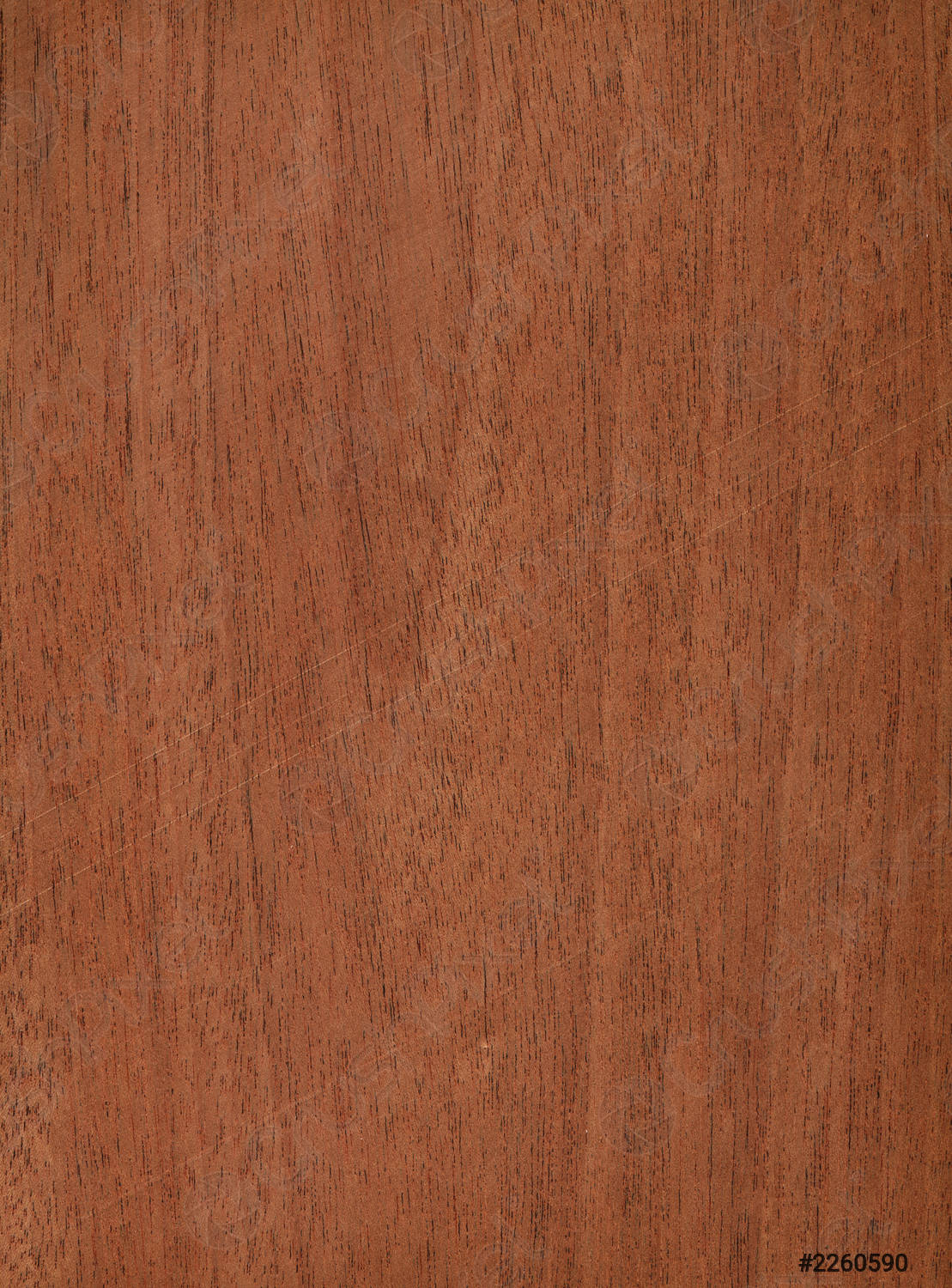
Mahogany is the wood that you’d easily come across in different types of ukuleles in this day and age. You can easily tell that a ukulele is made of mahogany by barely looking at it because it has typical red color.
It’s a go-to wood for professional ukulists because it is also lightweight. The tones you’ll get from mahogany are sweet, or you will find a sweet and warm balance in the tones.
The density is neither high nor low, it’s just perfect and tones are focused on mid frequencies. It’s also one of the strongest woods out there and, therefore, used in the budget and high-end ukuleles.
Other than body, you may also see mahogany in the top, back, and sides of most beginner-friendly ukuleles.
2. Rosewood

Rosewood is usually seen in the most sought-after ukuleles. It is an elegant ukulele and offers warm and rounded sounds. This wood is an eye-catching wood and uses some grains.
It’s brownish wood. It’s one of the high-density woods you’ll ever come across in the uke family. However, unlike mahogany, rosewood is heavy.
Rosewood offers well-balanced bright sounds. It offers accentuated highs and deep lows. So, if you’re a fan of such tones, it’s definitely worth considering when shopping for the uke of your type.
You can find it most great-sounding ukes, and therefore, it is considered among the most recognized tonal woods in the world.
3. Koa
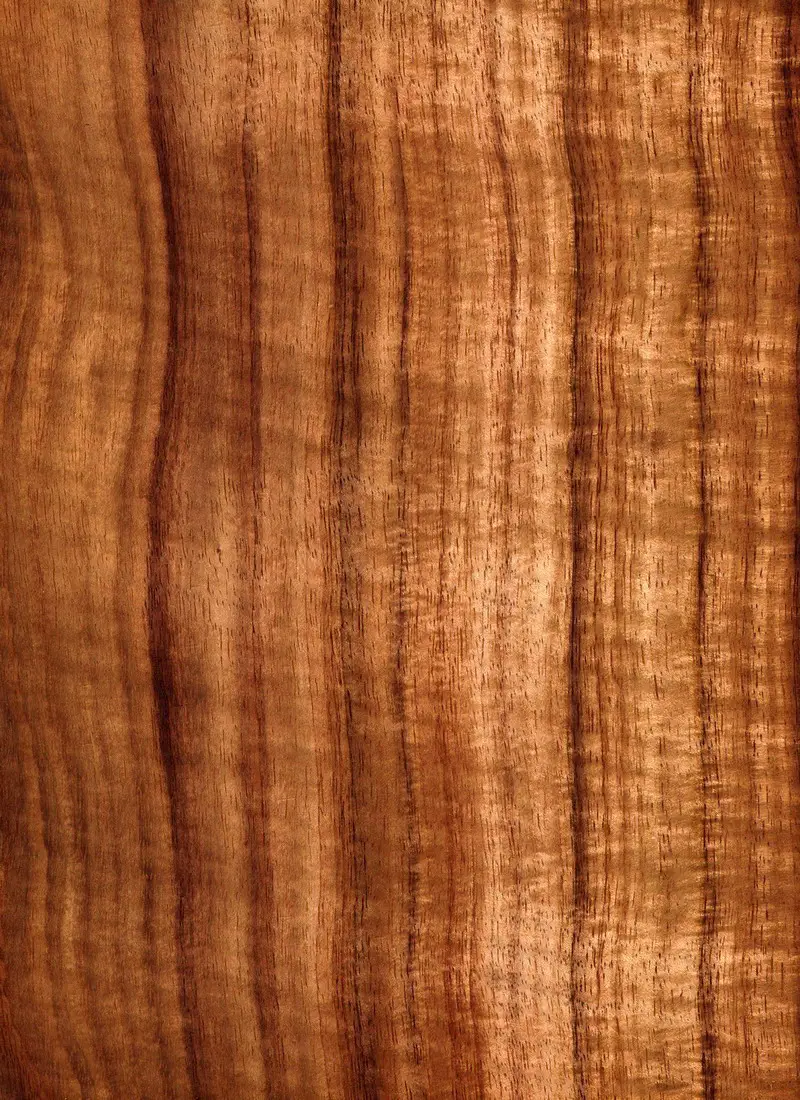
Koa (also known as Acacia Koa) is one of the most famous exotic woods found in Hawaii. It comes from a tree called Acacia koa that’s grown in Hawaii. In terms of appearance, Koa genuinely shines.
If you’ve always admired the sweet, mellow, and warm tones of your friend’s ukulele, they’re likely using a ukulele that is made of koa. You’ll also notice some unique and attractive grain patterns in koa.
Koa is usually found in top-notch ukuleles and it’s one of the tonal woods that is greatly desired by ukulele lovers. Koa offers high-end articulation and blends midrange focus.
It is considered a top-of-the-line tonewood because everyone is after that bright sound.
4. Spruce
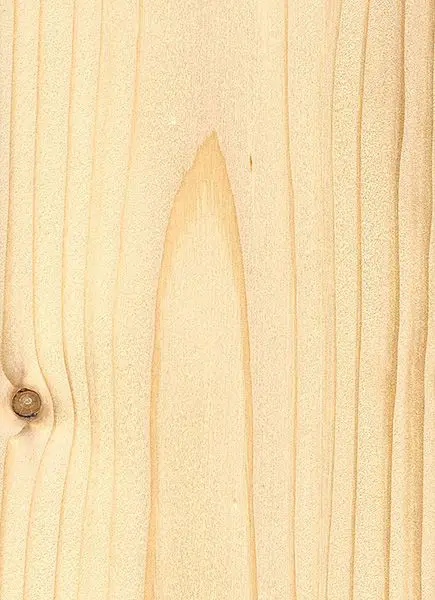
If you’re a huge fan of bass and it’s something you can’t live your life without, you’d love ukuleles made of spruce.
Spruce provides a great bass response. Its note articulation is consistent and tones are bright and crisp. If dynamic strumming is what you love the most, then you cannot say “No” to this tonal wood because you won’t get better than this in that area.
Spruce features a light blonde color and is every so often used in combination with other hardwood (maple, mahogany, rosewood) in different parts of the uke.
Spruce tonewood is also used in other classical stringed instruments. The reason why people opt for this wood is that it has well-rounded properties. It’s also good for fingerpicking and relatively light.
Overall, it’s a great wood for those who are deeply committed to aggressive strumming.
5. Cedar
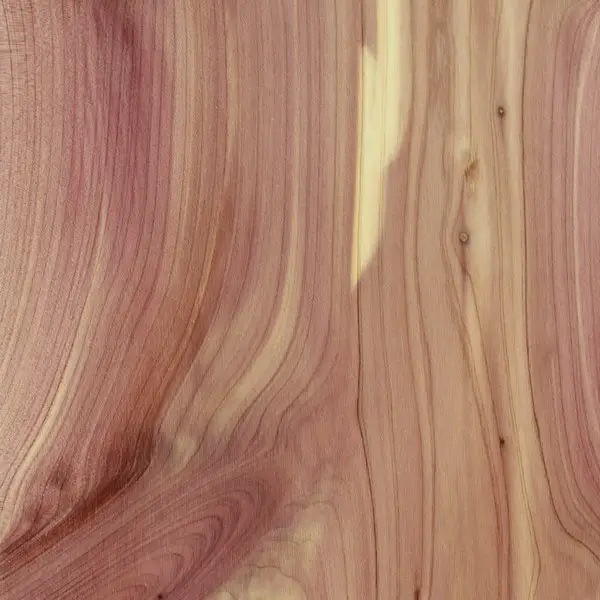
If you want to step up your fingerpicking game, cedar shouldn’t go unnoticed.
Cedar offers warm and darker tones. Some cedar ukuleles also produce crisp sounds, but their tones are less crisp than spruce.
So, you’ll find cedar somewhere between darker, warm, and soft tones. However, there’s not much clarity in the tones, nor is there loudness (if that’s what you’re after). As for the color, it distinguishes itself from other woods by having a dark or reddish appearance (depending on the finish).
What also sets cedar apart is that it has no striking grains—it features a plain finish, brightness is less, and bass is optimized.
Like other tonal woods explained above, cedar tones get better with age.
So, when you purchase a ukulele made of cedar, it may not sound as good as you want it to in the beginning, but it’ll sound better with time.
6. Maple
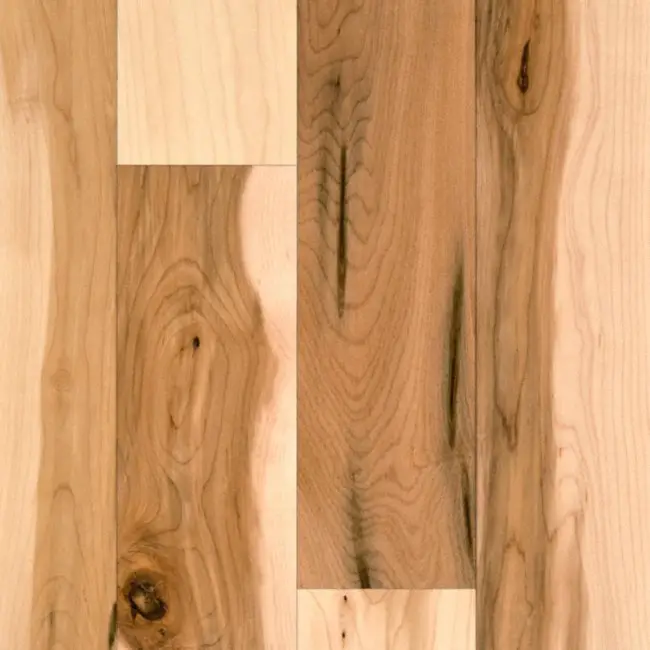
Maple is another tonal wood that gets mentioned in different ukulele types. It is considered a genius as far as reducing unwanted overtones and feedback matters.
In fact, most start-up ukulele brands are making use of this tonewood in construction. It’s mostly found in the back and sides and frequently paired with a spruce top.
Providing clarity is what maple is good at. It’s also recognized for offering even-keeled tones and resonance. Since the clarity is good, people who like to record their stuff and upload it online (or share it with their mates) will find this tonal wood satisfactory.
Although maple is light in color, it’s heavier than spruce. If you wish to invest in a tonewood that neither sounds dark nor warm nor bright, maple is the one you should be getting your hands on.
It’s beautiful and sturdy.
Maple is stunning and packed with aesthetical variances. It offers high frequencies, and that’s why it’s often used in those instruments that produce lower toners.
So, if you need a ukulele with high tones, maple is definitely the wood to consider.
7. Ebony
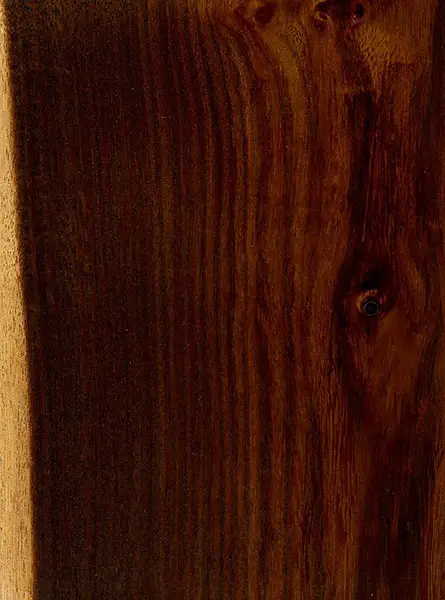
This one is something you won’t get to see every day because it’s heavy, expensive, and pretty dense. It’s a compact wood and awfully dark-colored.
Ebony is at the risk of disappearing and everything is being done to make sure of its existence.
It produces overtones and with dynamic range. It’s so valuable that it’s only used in making fingerboards and finishing.
8. Walnut

A ukulele made of walnut likely sounds as same as one made of maple. It’s visually attractive and dense. You’d find it rather heavy, but aesthetically, it’ll definitely win your heart at first sight.
It comes in different shades of brown color.
Walnut also produces warm, bright, and pleasing tones, but it’s relatively expensive.
Note: On top of the tonewoods affecting how the ukulele sounds, it’s also about how you strum your uke—i.e., whether you go easy on the strings or hit them too hard.
Solid vs laminated Wood: What’s the difference?
Can you tell if a ukulele is made of solid or laminated wood by merely looking at it? If not now, you’d be able to tell the difference after I’ve cleared all your doubts about these two wood types.
Solid:
Solid wood is a single layer of wood. Technically, if a ukulele features solid tonewood, it’s highly likely to offer vibrant and resonant sounds. I mean, solid wood couldn’t get any better.
Although it’s perfect in many scenarios—i.e., it’s elegant, produces great tones, there’s something else that needs your attention. Yes, what I need to shed light on here is that it’s expensive and requires extra care since it’s sensitive to weather conditions.
That being said, you have to be very careful with your ukulele if it’s made of solid wood.
Laminated wood:
Laminate (or laminated) wood is the one that consists of several narrow layers of wood. It’s mostly found in the entry-level ukuleles, be it soprano, concert, or tenor, and that completely makes sense.
So, if you’re just starting, such ukes could be your go-to ones. You don’t want to go for the most expensive option as you start, do you? The quality of laminate wood is good enough to feed your musical curiosity and let you enjoy beautiful moments with your friends.
Although ukes made of laminate are not great-sounding ukuleles, they are not bad either. Also, they may not be as durable as the ones made of solid, but you’ll love the longevity they bring to the table.
UkuleleAdvice is Flexible!
You don’t have to force yourself into buying something that breaks the bank—and guess what—that’s what we, at UkuleleAdvice, believe in.
You don’t have to play by any rules, and that’s the beauty of owning a ukulele—you take it anywhere you with, play any song on it, be it happy or even sad, however, some folks believe that ukuleles are only for happy songs, but that’s not true. Once you’ve mastered the art of playing a uke, you can give the music any shape you like.
Although tonewoods matter the most, also think about the place where you will be playing your uke. If you like to play the uke outdoors every so often, then I’d suggest you pick a laminate uke. Yet, if you are after those rich, warm, well-balanced tones, then solid wood is definitely a go-to.
These tonewoods are not limited to any specific ukulele family, you’ll find them in different types of ukes, namely concert, soprano, tenor ukuleles, etc.
Hopefully, this guide has found you enlightened. However, if you’re still having questions on ukulele wood types, you should definitely check out the beginners’ guide on choosing a ukulele.
If this is your first time trying the ukulele, you’d find the following guides useful:
- Best Ukuleles for Kids
- Best Cheap Ukuleles under $50
- Concert vs Tenor
- Best Kala Ukuleles
- Best Tenor Ukuleles
As now you are acquainted with the facts, whether to choose a solid ukulele or laminate uke, at the end of the day, you can go with whatever suits you the most because you also have to think about the reasonability, right?
And when all is said and done—i.e., after you’ve got the best ukulele based on your personal preference, it’s about time you learn how to get the most out of your strumming patterns, slapping techniques, etc., and so you could step up your game and play like never before—i.e., like a pro.
So, that’s it for today.
I’ll keep you posted in the next one.
Till then, keep strumming.
Need the Best Uke made for Beginners?
If this is your first time buying a ukulele, you should check out our beginners guide on the best ukuleles. Also, keep in mind all the things we’ve mentioned above so you don’t end up buying a piece of junk.